

Bukovniško Lake is an artificial reservoir located in the southeastern part of the Goričko region, north of the settlement of Dobrovnik. Covering roughly eight hectares and surrounded by beech forests, it is today one of the most recognisable natural areas in Prekmurje.
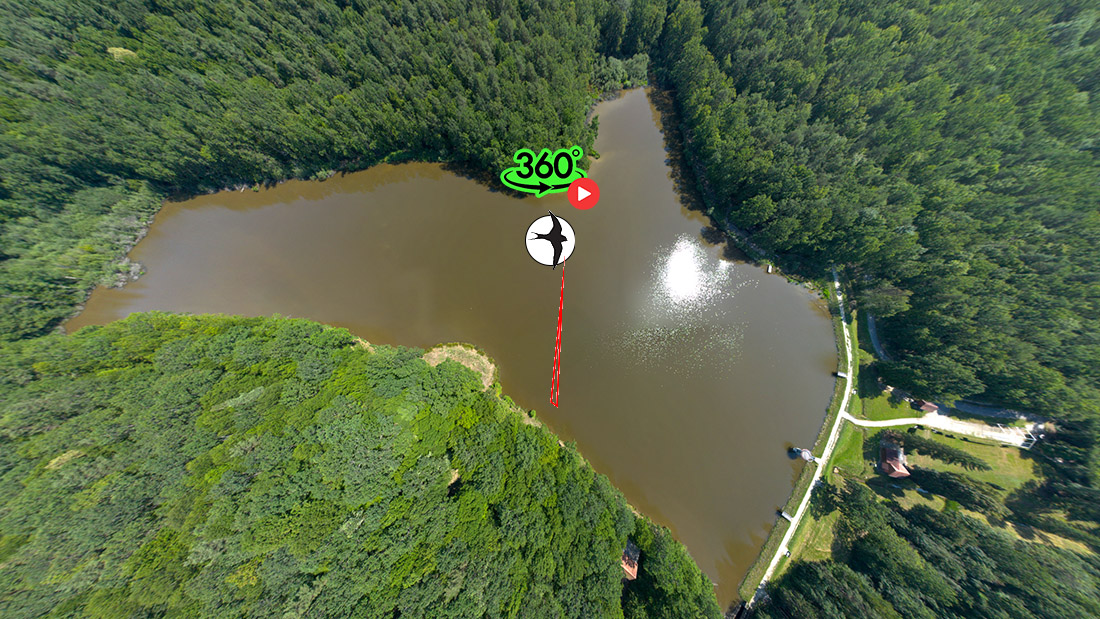
Origin
The lake was created in the 1950s, when the Bukovnica stream was dammed as part of flood‑control and water‑management works. The purpose of the dam was to retain high waters, stabilise the local hydrological regime, and form a reservoir that could also serve economic needs. Over time, the artificial water body blended naturally into the forested landscape and became an important element of the regional scenery.
Geological Setting
Bukovniško Lake lies on the southeastern margin of the Pannonian Basin, characterised by:
-
Neogene and Pleistocene sediments (clay, silt, sand) formed in the former Pannonian Sea and later lake and river environments,
-
water‑retaining clay layers, which provide a stable base for the reservoir,
-
slightly acidic, sandy soils, favourable for beech and sweet‑chestnut forests,
-
gently undulating relief, shaped by erosion and slow uplift of the terrain.
This geological structure creates ideal conditions for standing water and supports high biodiversity.
Purpose
When created, the lake primarily served:
-
flood protection,
-
regulation of the water regime,
-
fish farming, which was one of the earliest activities on the lake.
Its role later expanded to recreation and nature conservation.
Present‑Day Use
Today, Bukovniško Lake is a multifunctional area:
-
nature conservation site – an important breeding ground for amphibians, a habitat for various fish species, and home to rare plants such as water chestnut and frogbit,
-
recreational area – walking trails, fishing, and nature observation,
-
tourist attraction – energy points, the spring of St. Vitus, and the nearby chapel dedicated to St. Vitus draw visitors from Slovenia and abroad.
Bukovniško Lake thus combines technical heritage, natural values, and modern recreational use, remaining one of the most distinctive examples of how an artificial reservoir can evolve into a rich natural and tourist landscape of the Goričko region.